
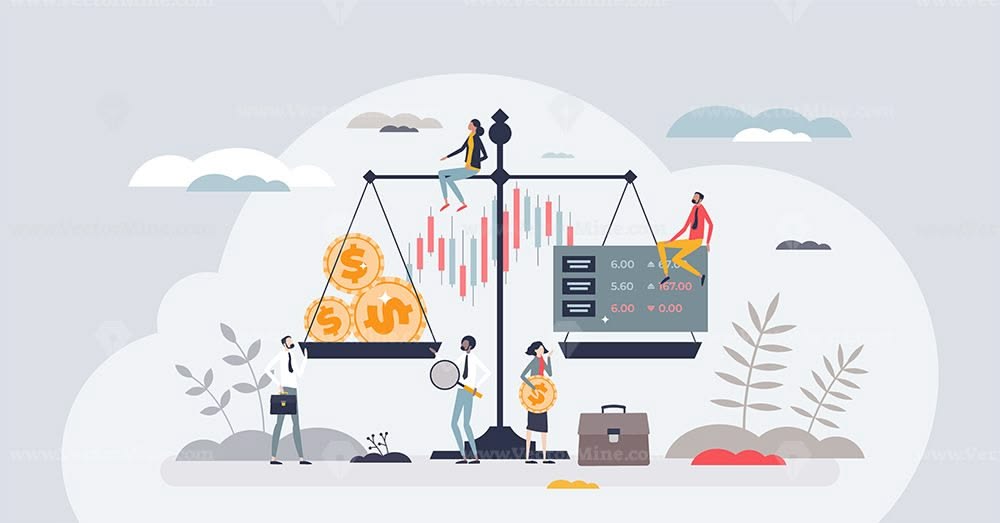
Physical Arbitrage: Identifying High-Margin Resale Assets
Physical Arbitrage explores how undervalued assets in secondary markets can be strategically identified, acquired, and resold for high-margin returns through disciplined pricing intelligence and structured buying systems.

📦 Physical Arbitrage
Identifying High-Margin Resale Assets 💰
The science of buying undervalued goods and converting them into structured resale profit systems
🚀 Introduction: The Science Behind the Flip
Physical arbitrage is the practice of identifying price inefficiencies in the secondary market and converting them into structured resale opportunities.
While often simplified as “buy low, sell high,” professional arbitrage operates as a systematic process involving valuation intelligence, timing precision, and market segmentation.
The core principle is simple yet powerful:
📦 1. Understanding Physical Arbitrage Systems
Physical arbitrage refers to the exploitation of price discrepancies between acquisition cost and resale value in tangible goods markets.
- 🛍️ Retail undervaluation
- 🔄 Secondary market inefficiencies
- 📉 Seller urgency pricing
- 📊 Regional price variation
These inefficiencies create opportunities for structured profit extraction.
⚙️ 2. Core Mechanics of High-Margin Resale
Successful physical arbitrage relies on three operational layers:
🔍 Acquisition Layer
- Identifying undervalued assets
- Monitoring market listings
- Tracking seller urgency signals
📊 Valuation Layer
- Price benchmarking
- Demand estimation
- Condition assessment
💰 Exit Layer
- Resale channel selection
- Timing optimization
- Buyer targeting
🧠 3. High-Margin Asset Categories
Certain asset classes consistently exhibit strong arbitrage potential due to demand volatility and pricing inefficiencies.
- 📱 Electronics and gadgets
- 👟 Branded apparel and footwear
- 🪑 Furniture and home goods
- 🎮 Gaming consoles and collectibles
- ⌚ Watches and accessories
📉 4. Market Inefficiencies That Create Opportunity
Physical arbitrage depends on identifying structural inefficiencies in market behavior.
- ⚡ Urgent liquidation sales
- 📦 Overstock clearance events
- 📍 Regional price mismatches
- 🧾 Poor listing optimization
- 🔄 Informal resale channels
🧠 5. Buyer Psychology in Secondary Markets
Understanding buyer behavior is critical for effective resale execution.
- 🎯 Perceived scarcity increases value
- 📊 Brand perception drives pricing
- ⏱️ Speed of availability influences demand
- 📦 Condition impacts trust and conversion
⚖️ 6. Risk Structures in Physical Arbitrage
While arbitrage offers strong upside potential, it also includes operational risks.
- 📉 Price fluctuation risk
- 🧾 Misjudged product condition
- 📦 Storage and logistics costs
- ⚠️ Liquidity delays
Professional operators mitigate risk through strict acquisition discipline.
📡 7. Digital Platforms Enabling Arbitrage
Modern resale systems are heavily supported by digital marketplaces and peer-to-peer platforms.
- 🛒 Online marketplaces
- 📱 Classified listing apps
- 📦 Auction platforms
- 🌐 Social commerce networks
🔄 8. Scaling Arbitrage Operations
Scalable arbitrage requires systematization rather than isolated transactions.
- 📊 Repeatable sourcing pipelines
- ⚙️ Automated listing monitoring
- 📦 Inventory turnover tracking
- 💰 Multi-channel resale distribution
🔮 9. Future of Physical Arbitrage Systems
The future of resale markets is increasingly data-driven and algorithmically optimized.
- 🤖 AI-based price prediction tools
- 📊 Real-time market scanning systems
- 🌐 Cross-platform inventory tracking
- 📦 Automated resale optimization engines
🏁 Conclusion: Arbitrage as Structured Market Intelligence
Physical arbitrage transforms retail inefficiencies into structured revenue opportunities through disciplined acquisition and strategic resale execution.
Success depends less on luck and more on consistent identification of mispriced assets within fragmented markets.
Comments